RAIN GAUGES
Rainfall Rescue
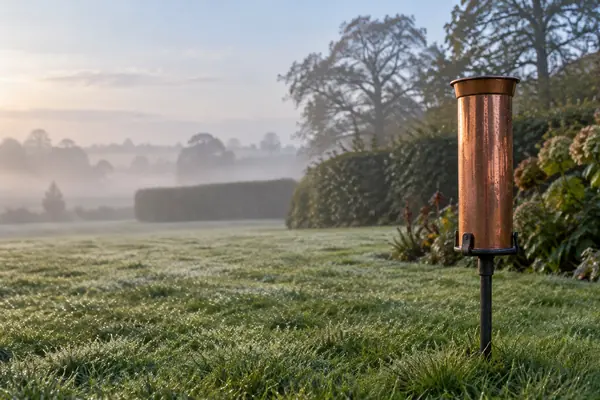
In March 2020, 16,000 volunteers typed up 5.2 million handwritten rainfall readings from the Met Office archive in just 16 days.
See the numbers doodlelogger.
A PLAIN-ENGLISH GUIDE TO WEATHER RECORDS
For centuries, people wrote the weather down by hand.
Victorian rain gauge keepers, Royal Navy officers and today's weather stations all log the same things. Volunteers have now typed up millions of old handwritten readings, and the UK rainfall record reaches back to 1836 as a result.
See how it was rescued Read the short answer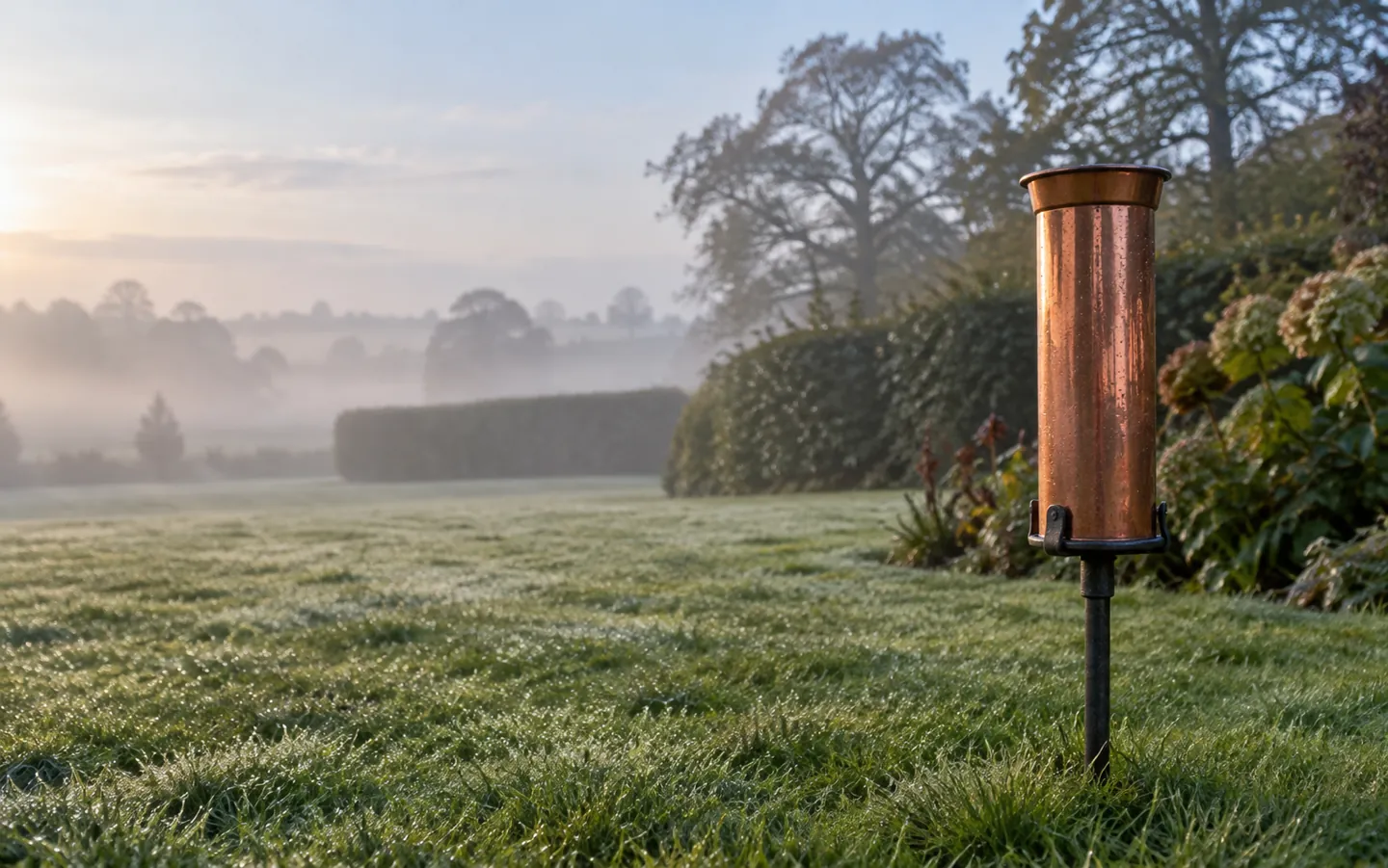
THE SHORT ANSWER
Three kinds of weather logger,
across two centuries.
RAIN GAUGES
In March 2020, 16,000 volunteers typed up 5.2 million handwritten rainfall readings from the Met Office archive in just 16 days.
See the numbersSHIP'S LOGS
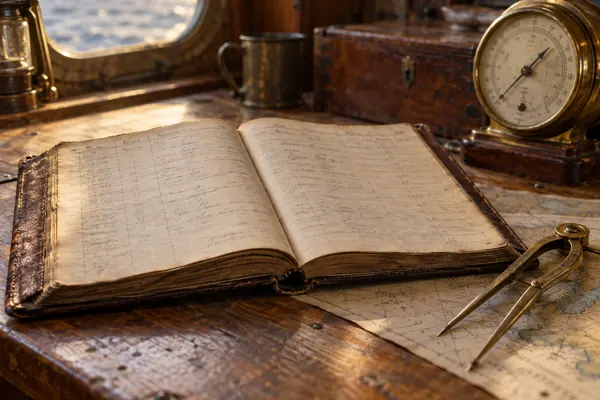
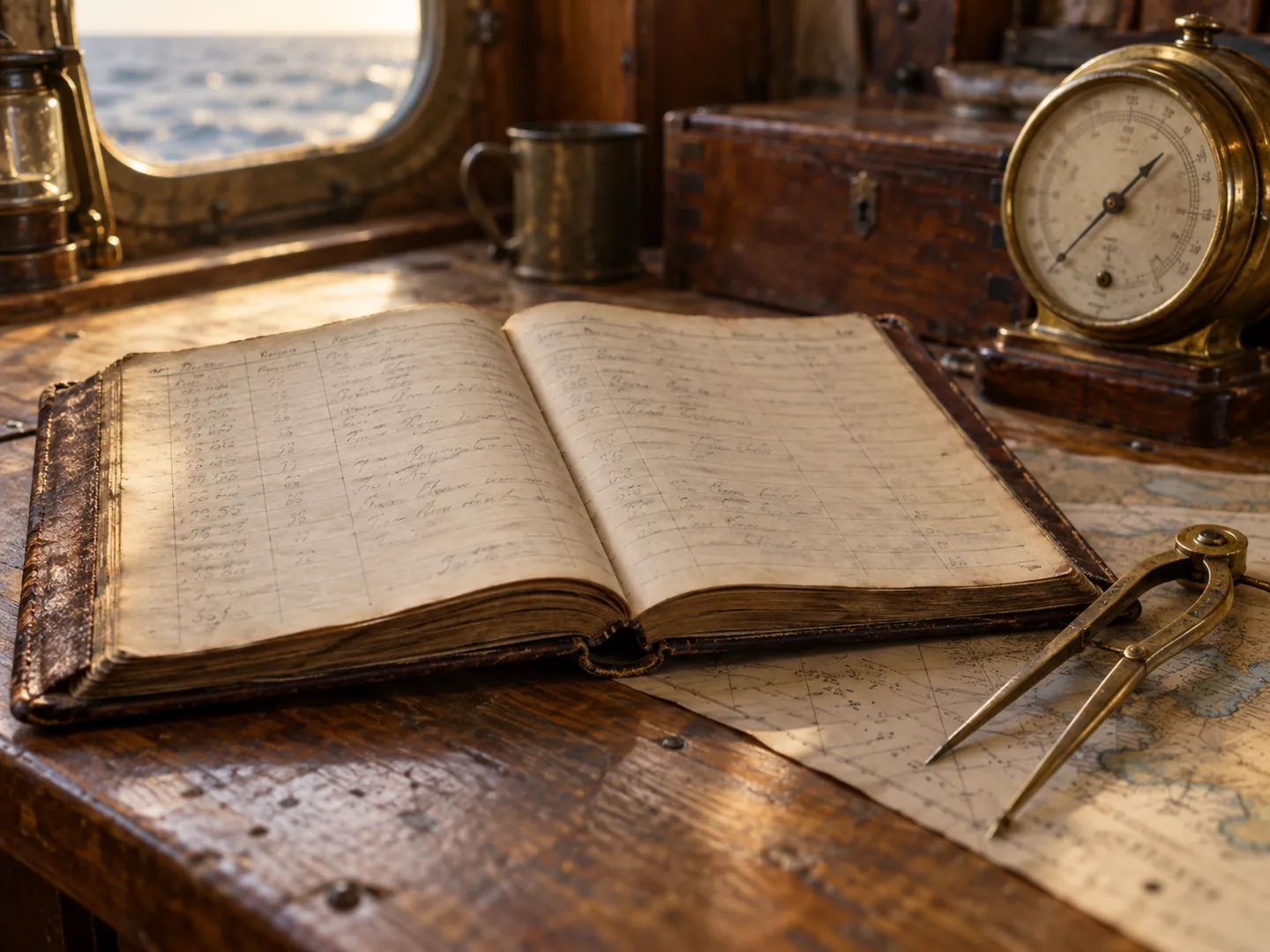
Volunteers transcribed Royal Navy logbooks from 1913 to 1923, recovering around 7 million weather observations from about 350,000 pages.
Read the storyTODAY
The Met Office runs more than 350 weather stations, and anyone with their own station can share readings on its Weather Observations Website.
Log your ownHOW OFTEN?
Pick a kind of record. The value shows how often a reading is logged, and the bar shows how fine-grained the record is, from monthly totals to a reading every minute.
Figures from the Met Office and the University of Reading.
TWO NUMBERS WORTH KNOWING
One project on land,
one at sea.
RAINFALL RESCUE · MET OFFICE, 2022
Rainfall observations typed up in 16 days
5.2<small> million</small>
About 16,000 volunteers transcribed 130 years' worth of handwritten readings during the first Covid-19 lockdown, around 100 million keystrokes in all.
OLD WEATHER · ROYAL NAVY LOGS, 2010–2012
Weather observations rescued from ship's logs
≈ 7<small> million</small>
More than 16,000 volunteers transcribed about 350,000 logbook pages from 305 ships. Each page was transcribed three times to check accuracy.
The rescued rainfall data extended the Met Office's official UK rainfall series back 26 years, from 1862 to 1836, and raised the number of rain gauges for 1862 from 19 to more than 700.

START YOUR OWN WEATHER LOG
Home readings are not used for official records, but the Met Office says they help forecasters watch local events like heavy snow or rain. These steps come from Met Office guidance.
WHAT THE OLD LOGS REVEALED
Rainfall Rescue made 1855 the UK's driest year on record, at 786.5 mm, beating 1887. It moved England's driest May from 2020 (9.6 mm) back to 1844 (8.3 mm), and confirmed November and December 1852 as exceptionally wet.
The observers were volunteers too. Lady Bayning of Honingham Hall in Norfolk logged rainfall from 1835 to 1887, even taking her gauge to London for the social season. Systematic UK-wide logging began in the 1860s, when George Symons set up the British Rainfall Organisation.
QUESTIONS PEOPLE ASK
A University of Reading project launched in March 2020. About 16,000 volunteers transcribed 5.2 million handwritten rainfall readings from the Met Office archive in 16 days. The data was added to the official national record in 2022.
The Met Office says longer records help it understand extremes such as drought and floods, and the risks from climate change. Hawkins says the data helps show long-term trends and flood risk across the UK and Ireland.
A typical Old Weather record included air temperature, wet-bulb temperature, pressure, wind speed and direction and a present weather code, sometimes with sea temperature and sea state. Volunteers also transcribed notes on life on board.
No. The Met Office says amateur stations cannot be considered for official records because they are not held to the same standards. You can still share readings on WOW, where they help forecasters watch local events.
Many were written in ornate or hard-to-read handwriting that needed human eyes. Old Weather had each page transcribed three times, and its organisers found volunteer transcription no less accurate than professional work.
SOURCES
Each figure on this page comes from the sources below. Check them for the full detail and context.